ISO 22000 — سلامة الغذاء | مقال 1
مقدمة
هذا المقال يقدم شرحًا عمليًا شاملًا لمعيار ISO 22000 (سلامة الغذاء) بأسلوب يساعد فرق الجودة والتشغيل على فهم ما يغطيه المعيار وكيفية إثبات الامتثال بالأدلة والسجلات.
ستجد في كل قسم: ماذا يعني المتطلب عمليًا، كيف يبدو التطبيق على أرض الواقع، وما هي الأدلة التي يطلبها المدقق عادةً. الهدف هو تحويل المتطلبات إلى تشغيل يومي قابل للقياس.
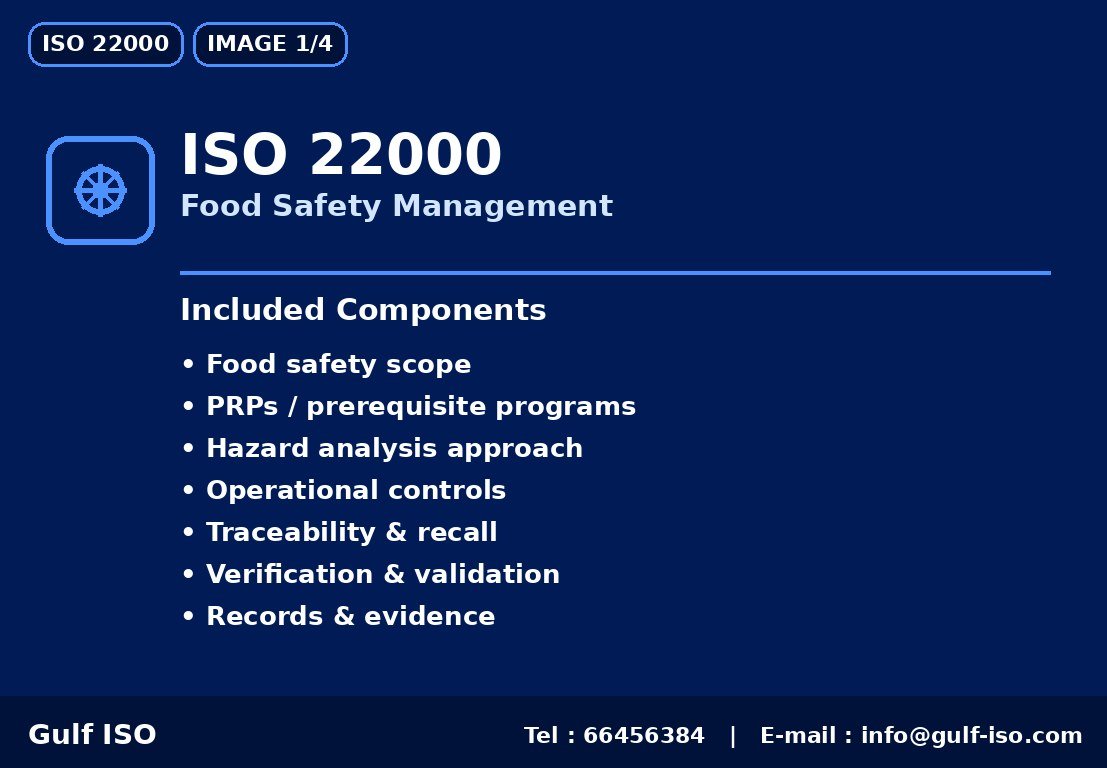
محاور تركيز مرتبطة بهذا المعيار: HACCP، PRPs، التتبع، سحب المنتج، التحقق والتحليل، إدارة المخاطر.
نطاق المعيار وما الذي يغطيه فعليًا داخل المؤسسة
الفكرة الأساسية هنا هي تحويل نطاق المعيار وما الذي يغطيه فعليًا داخل المؤسسة إلى قرارات واضحة ومسؤوليات قابلة للمتابعة داخل المؤسسة. في ISO 22000 لا يكفي أن “تعرف” المطلوب؛ يجب أن تستطيع إثبات أن المطلوب مُنفذ ومُدار ومُراجع.
نقطة تطبيق: اربط هذا الجزء من ISO 22000 بثلاثة عناصر: (1) عملية/إجراء واضح، (2) مسؤول/مالك، (3) سجل أو مخرج يثبت التنفيذ. بهذه الطريقة يصبح التدقيق تتبعًا منطقيًا بدل أسئلة عامة.
أمثلة على جوانب تظهر عادةً تحت هذا القسم في سلامة الغذاء: PRPs، التتبع، سحب المنتج. عدّل الأمثلة لتناسب واقعك بدل نسخها حرفيًا.
كيف يراه المدقق؟ المدقق غالبًا يبدأ من المعيار ثم ينتقل إلى الدليل. لذلك جهّز مسارًا بسيطًا: بند/متطلب → وثيقة أو إجراء → سجلّات حديثة → تحليل/مراجعة → قرار أو تحسين.
مؤشر قياس مقترح: اختر مؤشرًا واحدًا على الأقل يعبّر عن فعالية ما تتحدث عنه في هذا القسم، وحدد تكرار القياس ومسؤولية المتابعة وحدود القبول. ثم اربط المخرجات بمراجعة الإدارة.
مثال ميداني: إذا كان لديك انحراف أو عدم مطابقة في هذا الجزء، لا تعالج العرض فقط. اسأل “لماذا حدث؟” ثم عدّل الضابط أو التدريب أو المورد أو تصميم العملية، وبعدها تحقق من الفاعلية ببيانات لاحقة.
- �� هل المتطلب مفهوم لدى أصحاب العلاقة؟
- �� هل يوجد إجراء/ضابط يحقق النتيجة المطلوبة؟
- �� هل توجد سجلات حديثة ومكتملة؟
- �� هل توجد مراجعة وتحليل واتخاذ قرار؟
- �� هل تم توثيق التحسين أو الإجراء التصحيحي عند الحاجة؟
تفسير عملي: تعامل مع كل متطلب كـ“سؤال”: ما الهدف؟ ما الضابط؟ ما الدليل؟ ما التكرار؟ من المسؤول؟ ما المخاطر إذا لم ننفذ؟ عندما تجيب على هذه الأسئلة، تكون قد أنشأت تطبيقًا قابلًا للتدقيق.
البنية العامة للمواصفة وكيف ترتبط بباقي أنظمة الإدارة
الفكرة الأساسية هنا هي تحويل البنية العامة للمواصفة وكيف ترتبط بباقي أنظمة الإدارة إلى قرارات واضحة ومسؤوليات قابلة للمتابعة داخل المؤسسة. في ISO 22000 لا يكفي أن “تعرف” المطلوب؛ يجب أن تستطيع إثبات أن المطلوب مُنفذ ومُدار ومُراجع.
نقطة تطبيق: اربط هذا الجزء من ISO 22000 بثلاثة عناصر: (1) عملية/إجراء واضح، (2) مسؤول/مالك، (3) سجل أو مخرج يثبت التنفيذ. بهذه الطريقة يصبح التدقيق تتبعًا منطقيًا بدل أسئلة عامة.
أمثلة على جوانب تظهر عادةً تحت هذا القسم في سلامة الغذاء: التتبع، سحب المنتج، التحقق والتحليل. عدّل الأمثلة لتناسب واقعك بدل نسخها حرفيًا.
كيف يراه المدقق؟ المدقق غالبًا يبدأ من المعيار ثم ينتقل إلى الدليل. لذلك جهّز مسارًا بسيطًا: بند/متطلب → وثيقة أو إجراء → سجلّات حديثة → تحليل/مراجعة → قرار أو تحسين.
مؤشر قياس مقترح: اختر مؤشرًا واحدًا على الأقل يعبّر عن فعالية ما تتحدث عنه في هذا القسم، وحدد تكرار القياس ومسؤولية المتابعة وحدود القبول. ثم اربط المخرجات بمراجعة الإدارة.
مثال ميداني: إذا كان لديك انحراف أو عدم مطابقة في هذا الجزء، لا تعالج العرض فقط. اسأل “لماذا حدث؟” ثم عدّل الضابط أو التدريب أو المورد أو تصميم العملية، وبعدها تحقق من الفاعلية ببيانات لاحقة.
- �� هل المتطلب مفهوم لدى أصحاب العلاقة؟
- �� هل يوجد إجراء/ضابط يحقق النتيجة المطلوبة؟
- �� هل توجد سجلات حديثة ومكتملة؟
- �� هل توجد مراجعة وتحليل واتخاذ قرار؟
- �� هل تم توثيق التحسين أو الإجراء التصحيحي عند الحاجة؟
تفسير عملي: تعامل مع كل متطلب كـ“سؤال”: ما الهدف؟ ما الضابط؟ ما الدليل؟ ما التكرار؟ من المسؤول؟ ما المخاطر إذا لم ننفذ؟ عندما تجيب على هذه الأسئلة، تكون قد أنشأت تطبيقًا قابلًا للتدقيق.
المصطلحات والتعريفات التي تُسبب أخطاء التطبيق الشائعة
الفكرة الأساسية هنا هي تحويل المصطلحات والتعريفات التي تُسبب أخطاء التطبيق الشائعة إلى قرارات واضحة ومسؤوليات قابلة للمتابعة داخل المؤسسة. في ISO 22000 لا يكفي أن “تعرف” المطلوب؛ يجب أن تستطيع إثبات أن المطلوب مُنفذ ومُدار ومُراجع.
نقطة تطبيق: اربط هذا الجزء من ISO 22000 بثلاثة عناصر: (1) عملية/إجراء واضح، (2) مسؤول/مالك، (3) سجل أو مخرج يثبت التنفيذ. بهذه الطريقة يصبح التدقيق تتبعًا منطقيًا بدل أسئلة عامة.
أمثلة على جوانب تظهر عادةً تحت هذا القسم في سلامة الغذاء: سحب المنتج، التحقق والتحليل، إدارة المخاطر. عدّل الأمثلة لتناسب واقعك بدل نسخها حرفيًا.
كيف يراه المدقق؟ المدقق غالبًا يبدأ من المعيار ثم ينتقل إلى الدليل. لذلك جهّز مسارًا بسيطًا: بند/متطلب → وثيقة أو إجراء → سجلّات حديثة → تحليل/مراجعة → قرار أو تحسين.
مؤشر قياس مقترح: اختر مؤشرًا واحدًا على الأقل يعبّر عن فعالية ما تتحدث عنه في هذا القسم، وحدد تكرار القياس ومسؤولية المتابعة وحدود القبول. ثم اربط المخرجات بمراجعة الإدارة.
مثال ميداني: إذا كان لديك انحراف أو عدم مطابقة في هذا الجزء، لا تعالج العرض فقط. اسأل “لماذا حدث؟” ثم عدّل الضابط أو التدريب أو المورد أو تصميم العملية، وبعدها تحقق من الفاعلية ببيانات لاحقة.
- �� هل المتطلب مفهوم لدى أصحاب العلاقة؟
- �� هل يوجد إجراء/ضابط يحقق النتيجة المطلوبة؟
- �� هل توجد سجلات حديثة ومكتملة؟
- �� هل توجد مراجعة وتحليل واتخاذ قرار؟
- �� هل تم توثيق التحسين أو الإجراء التصحيحي عند الحاجة؟
تفسير عملي: تعامل مع كل متطلب كـ“سؤال”: ما الهدف؟ ما الضابط؟ ما الدليل؟ ما التكرار؟ من المسؤول؟ ما المخاطر إذا لم ننفذ؟ عندما تجيب على هذه الأسئلة، تكون قد أنشأت تطبيقًا قابلًا للتدقيق.
المتطلبات/الإرشادات الأساسية بندًا بندًا مع تفسير عملي
الفكرة الأساسية هنا هي تحويل المتطلبات/الإرشادات الأساسية بندًا بندًا مع تفسير عملي إلى قرارات واضحة ومسؤوليات قابلة للمتابعة داخل المؤسسة. في ISO 22000 لا يكفي أن “تعرف” المطلوب؛ يجب أن تستطيع إثبات أن المطلوب مُنفذ ومُدار ومُراجع.
نقطة تطبيق: اربط هذا الجزء من ISO 22000 بثلاثة عناصر: (1) عملية/إجراء واضح، (2) مسؤول/مالك، (3) سجل أو مخرج يثبت التنفيذ. بهذه الطريقة يصبح التدقيق تتبعًا منطقيًا بدل أسئلة عامة.
أمثلة على جوانب تظهر عادةً تحت هذا القسم في سلامة الغذاء: التحقق والتحليل، إدارة المخاطر. عدّل الأمثلة لتناسب واقعك بدل نسخها حرفيًا.
كيف يراه المدقق؟ المدقق غالبًا يبدأ من المعيار ثم ينتقل إلى الدليل. لذلك جهّز مسارًا بسيطًا: بند/متطلب → وثيقة أو إجراء → سجلّات حديثة → تحليل/مراجعة → قرار أو تحسين.
مؤشر قياس مقترح: اختر مؤشرًا واحدًا على الأقل يعبّر عن فعالية ما تتحدث عنه في هذا القسم، وحدد تكرار القياس ومسؤولية المتابعة وحدود القبول. ثم اربط المخرجات بمراجعة الإدارة.
مثال ميداني: إذا كان لديك انحراف أو عدم مطابقة في هذا الجزء، لا تعالج العرض فقط. اسأل “لماذا حدث؟” ثم عدّل الضابط أو التدريب أو المورد أو تصميم العملية، وبعدها تحقق من الفاعلية ببيانات لاحقة.
- �� هل المتطلب مفهوم لدى أصحاب العلاقة؟
- �� هل يوجد إجراء/ضابط يحقق النتيجة المطلوبة؟
- �� هل توجد سجلات حديثة ومكتملة؟
- �� هل توجد مراجعة وتحليل واتخاذ قرار؟
- �� هل تم توثيق التحسين أو الإجراء التصحيحي عند الحاجة؟
تفسير عملي: تعامل مع كل متطلب كـ“سؤال”: ما الهدف؟ ما الضابط؟ ما الدليل؟ ما التكرار؟ من المسؤول؟ ما المخاطر إذا لم ننفذ؟ عندما تجيب على هذه الأسئلة، تكون قد أنشأت تطبيقًا قابلًا للتدقيق.
الأدلة المطلوبة (Documented Information) وسجلّات الإثبات
الفكرة الأساسية هنا هي تحويل الأدلة المطلوبة (Documented Information) وسجلّات الإثبات إلى قرارات واضحة ومسؤوليات قابلة للمتابعة داخل المؤسسة. في ISO 22000 لا يكفي أن “تعرف” المطلوب؛ يجب أن تستطيع إثبات أن المطلوب مُنفذ ومُدار ومُراجع.
نقطة تطبيق: اربط هذا الجزء من ISO 22000 بثلاثة عناصر: (1) عملية/إجراء واضح، (2) مسؤول/مالك، (3) سجل أو مخرج يثبت التنفيذ. بهذه الطريقة يصبح التدقيق تتبعًا منطقيًا بدل أسئلة عامة.
أمثلة على جوانب تظهر عادةً تحت هذا القسم في سلامة الغذاء: إدارة المخاطر. عدّل الأمثلة لتناسب واقعك بدل نسخها حرفيًا.
كيف يراه المدقق؟ المدقق غالبًا يبدأ من المعيار ثم ينتقل إلى الدليل. لذلك جهّز مسارًا بسيطًا: بند/متطلب → وثيقة أو إجراء → سجلّات حديثة → تحليل/مراجعة → قرار أو تحسين.
مؤشر قياس مقترح: اختر مؤشرًا واحدًا على الأقل يعبّر عن فعالية ما تتحدث عنه في هذا القسم، وحدد تكرار القياس ومسؤولية المتابعة وحدود القبول. ثم اربط المخرجات بمراجعة الإدارة.
مثال ميداني: إذا كان لديك انحراف أو عدم مطابقة في هذا الجزء، لا تعالج العرض فقط. اسأل “لماذا حدث؟” ثم عدّل الضابط أو التدريب أو المورد أو تصميم العملية، وبعدها تحقق من الفاعلية ببيانات لاحقة.
- �� هل المتطلب مفهوم لدى أصحاب العلاقة؟
- �� هل يوجد إجراء/ضابط يحقق النتيجة المطلوبة؟
- �� هل توجد سجلات حديثة ومكتملة؟
- �� هل توجد مراجعة وتحليل واتخاذ قرار؟
- �� هل تم توثيق التحسين أو الإجراء التصحيحي عند الحاجة؟
تفسير عملي: تعامل مع كل متطلب كـ“سؤال”: ما الهدف؟ ما الضابط؟ ما الدليل؟ ما التكرار؟ من المسؤول؟ ما المخاطر إذا لم ننفذ؟ عندما تجيب على هذه الأسئلة، تكون قد أنشأت تطبيقًا قابلًا للتدقيق.
التطبيق الميداني: العمليات، المسؤوليات، والضوابط التشغيلية
الفكرة الأساسية هنا هي تحويل التطبيق الميداني: العمليات، المسؤوليات، والضوابط التشغيلية إلى قرارات واضحة ومسؤوليات قابلة للمتابعة داخل المؤسسة. في ISO 22000 لا يكفي أن “تعرف” المطلوب؛ يجب أن تستطيع إثبات أن المطلوب مُنفذ ومُدار ومُراجع.
نقطة تطبيق: اربط هذا الجزء من ISO 22000 بثلاثة عناصر: (1) عملية/إجراء واضح، (2) مسؤول/مالك، (3) سجل أو مخرج يثبت التنفيذ. بهذه الطريقة يصبح التدقيق تتبعًا منطقيًا بدل أسئلة عامة.
أمثلة على جوانب تظهر عادةً تحت هذا القسم في سلامة الغذاء: HACCP، PRPs، التتبع. عدّل الأمثلة لتناسب واقعك بدل نسخها حرفيًا.
كيف يراه المدقق؟ المدقق غالبًا يبدأ من المعيار ثم ينتقل إلى الدليل. لذلك جهّز مسارًا بسيطًا: بند/متطلب → وثيقة أو إجراء → سجلّات حديثة → تحليل/مراجعة → قرار أو تحسين.
مؤشر قياس مقترح: اختر مؤشرًا واحدًا على الأقل يعبّر عن فعالية ما تتحدث عنه في هذا القسم، وحدد تكرار القياس ومسؤولية المتابعة وحدود القبول. ثم اربط المخرجات بمراجعة الإدارة.
مثال ميداني: إذا كان لديك انحراف أو عدم مطابقة في هذا الجزء، لا تعالج العرض فقط. اسأل “لماذا حدث؟” ثم عدّل الضابط أو التدريب أو المورد أو تصميم العملية، وبعدها تحقق من الفاعلية ببيانات لاحقة.
- �� هل المتطلب مفهوم لدى أصحاب العلاقة؟
- �� هل يوجد إجراء/ضابط يحقق النتيجة المطلوبة؟
- �� هل توجد سجلات حديثة ومكتملة؟
- �� هل توجد مراجعة وتحليل واتخاذ قرار؟
- �� هل تم توثيق التحسين أو الإجراء التصحيحي عند الحاجة؟
تفسير عملي: تعامل مع كل متطلب كـ“سؤال”: ما الهدف؟ ما الضابط؟ ما الدليل؟ ما التكرار؟ من المسؤول؟ ما المخاطر إذا لم ننفذ؟ عندما تجيب على هذه الأسئلة، تكون قد أنشأت تطبيقًا قابلًا للتدقيق.
التدقيق الداخلي والمراجعة الإدارية والتحسين المستمر وفق المعيار
الفكرة الأساسية هنا هي تحويل التدقيق الداخلي والمراجعة الإدارية والتحسين المستمر وفق المعيار إلى قرارات واضحة ومسؤوليات قابلة للمتابعة داخل المؤسسة. في ISO 22000 لا يكفي أن “تعرف” المطلوب؛ يجب أن تستطيع إثبات أن المطلوب مُنفذ ومُدار ومُراجع.
نقطة تطبيق: اربط هذا الجزء من ISO 22000 بثلاثة عناصر: (1) عملية/إجراء واضح، (2) مسؤول/مالك، (3) سجل أو مخرج يثبت التنفيذ. بهذه الطريقة يصبح التدقيق تتبعًا منطقيًا بدل أسئلة عامة.
أمثلة على جوانب تظهر عادةً تحت هذا القسم في سلامة الغذاء: PRPs، التتبع، سحب المنتج. عدّل الأمثلة لتناسب واقعك بدل نسخها حرفيًا.
كيف يراه المدقق؟ المدقق غالبًا يبدأ من المعيار ثم ينتقل إلى الدليل. لذلك جهّز مسارًا بسيطًا: بند/متطلب → وثيقة أو إجراء → سجلّات حديثة → تحليل/مراجعة → قرار أو تحسين.
مؤشر قياس مقترح: اختر مؤشرًا واحدًا على الأقل يعبّر عن فعالية ما تتحدث عنه في هذا القسم، وحدد تكرار القياس ومسؤولية المتابعة وحدود القبول. ثم اربط المخرجات بمراجعة الإدارة.
مثال ميداني: إذا كان لديك انحراف أو عدم مطابقة في هذا الجزء، لا تعالج العرض فقط. اسأل “لماذا حدث؟” ثم عدّل الضابط أو التدريب أو المورد أو تصميم العملية، وبعدها تحقق من الفاعلية ببيانات لاحقة.
- �� هل المتطلب مفهوم لدى أصحاب العلاقة؟
- �� هل يوجد إجراء/ضابط يحقق النتيجة المطلوبة؟
- �� هل توجد سجلات حديثة ومكتملة؟
- �� هل توجد مراجعة وتحليل واتخاذ قرار؟
- �� هل تم توثيق التحسين أو الإجراء التصحيحي عند الحاجة؟
تفسير عملي: تعامل مع كل متطلب كـ“سؤال”: ما الهدف؟ ما الضابط؟ ما الدليل؟ ما التكرار؟ من المسؤول؟ ما المخاطر إذا لم ننفذ؟ عندما تجيب على هذه الأسئلة، تكون قد أنشأت تطبيقًا قابلًا للتدقيق.